Office Cleaning Safety Protocols: Ensuring a Safe and Healthy Workplace
Maintaining a safe and healthy workplace is of utmost importance, especially when it comes to office cleaning. In this blog post, we will discuss essential office cleaning safety protocols that should be implemented to protect the well-being of employees and ensure a clean environment. By following these protocols, you can create a safe and healthy workplace for everyone.
Importance of Office Cleaning Safety Protocols
Office cleaning involves various tasks that may pose potential risks if proper safety measures are not followed. From handling cleaning chemicals to operating heavy equipment, it is crucial to have well-defined safety protocols to prevent accidents, injuries, and exposure to harmful substances. Implementing office cleaning safety protocols not only protects employees but also promotes a positive work environment.
Essential Office Cleaning Safety Protocols
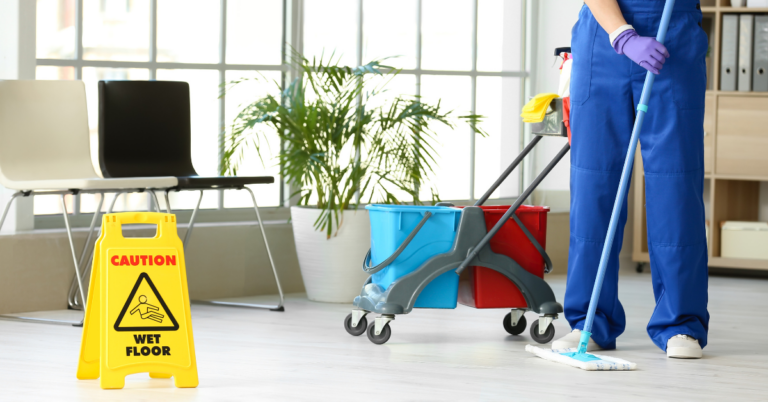
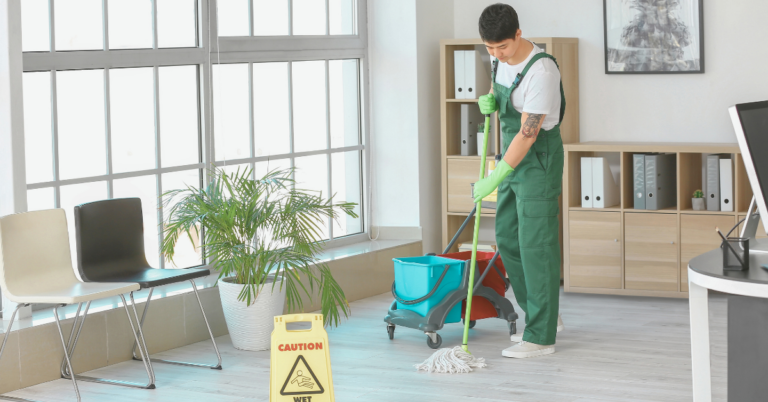
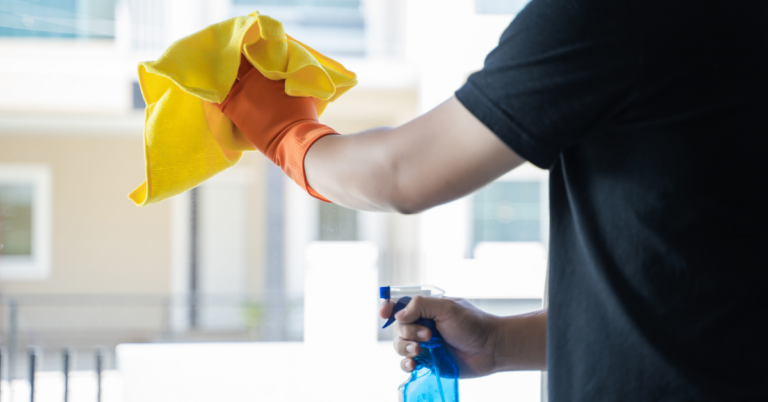
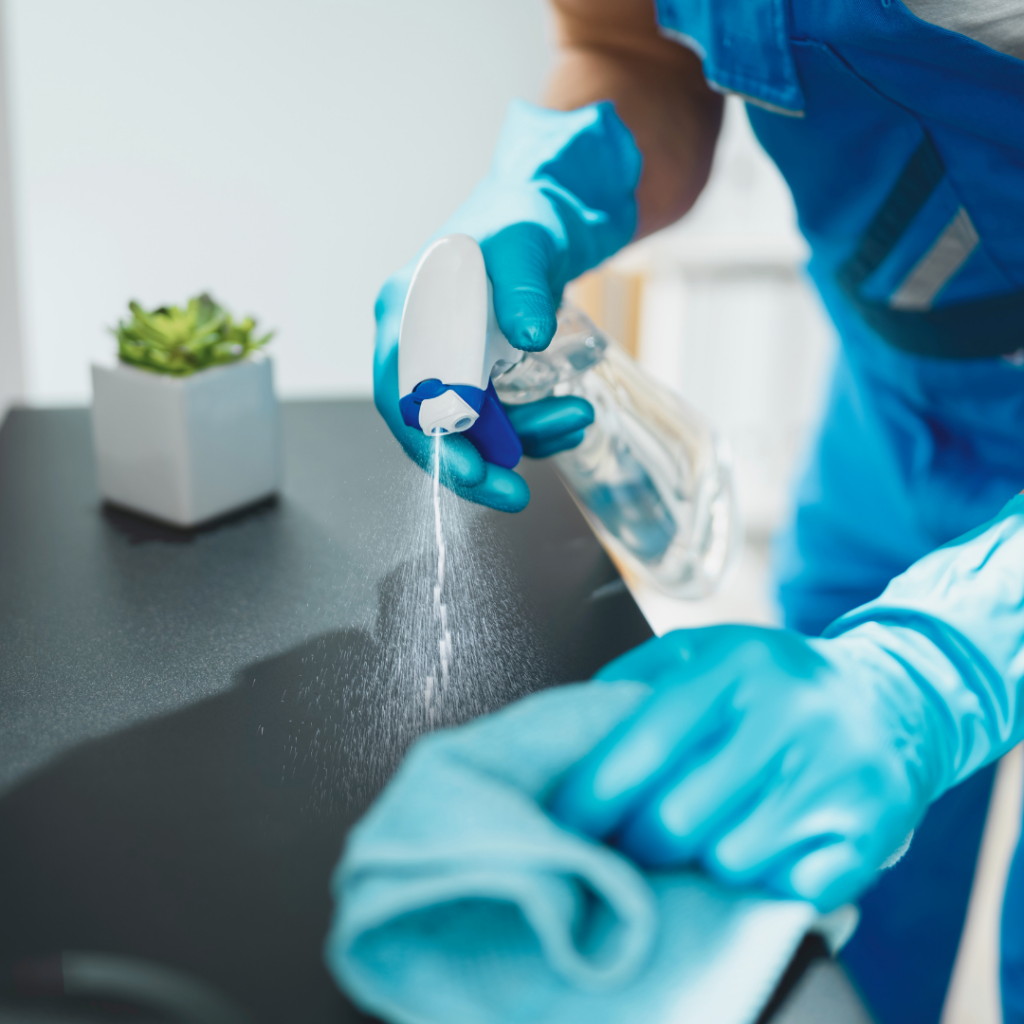
- Personal Protective Equipment (PPE): Ensure that all cleaning staff are equipped with appropriate PPE, including gloves, safety goggles, masks, and protective clothing. PPE helps minimize exposure to hazardous chemicals, allergens, and other potentially harmful substances.
- Chemical Safety: Train cleaning staff on proper handling, storage, and usage of cleaning chemicals. Provide clear instructions for dilution ratios, use them in well-ventilated areas, and follow the manufacturer’s guidelines. Proper labeling and storage of chemicals are essential to avoid accidents and chemical reactions.
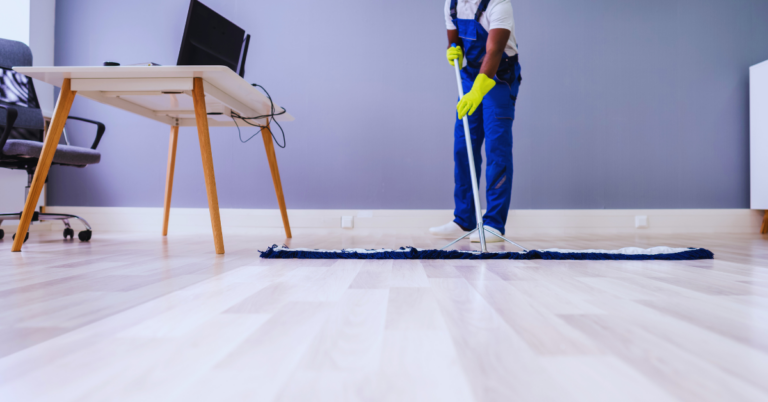
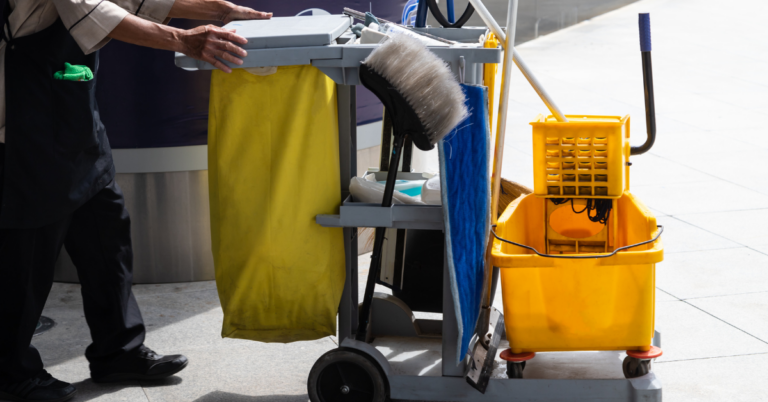
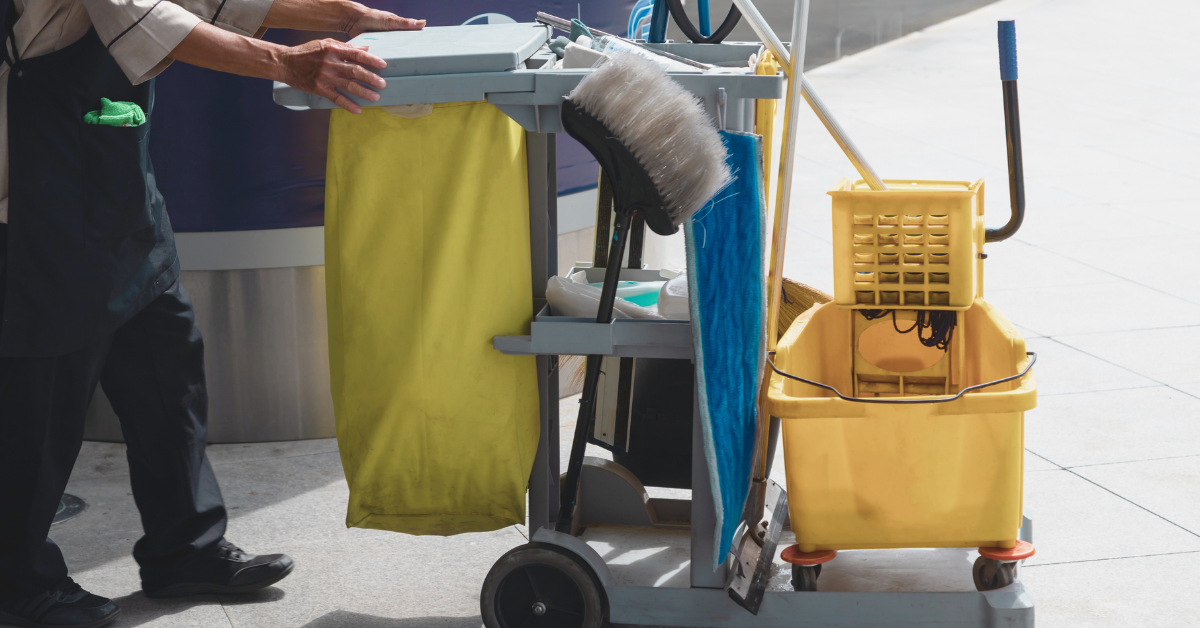
- Equipment Safety: Regularly inspect and maintain cleaning equipment to ensure their safe and proper functioning. Train employees on how to operate the equipment safely, including proper lifting techniques for heavy objects, avoiding cords and cables, and using caution on wet surfaces to prevent slips and falls.
- Slip and Fall Prevention: Implement measures to prevent slip and fall accidents, such as promptly cleaning up spills, using caution signs, and ensuring proper drying of wet surfaces. Regularly inspect floor surfaces to identify any potential hazards and address them promptly.
- Training and Communication: Provide comprehensive training to cleaning staff on safety protocols, including the proper use of equipment, handling chemicals, and emergency procedures. Foster a culture of open communication, encouraging employees to report any safety concerns or incidents.
By prioritizing office cleaning safety protocols, you create a safer work environment, reduce the risk of accidents, and promote employee well-being. Regularly review and update safety protocols to address any emerging risks or changes in cleaning practices. Together, let’s ensure a safe and healthy workplace through proper office cleaning safety protocols.
FAQ
Q: What are the key elements of workplace safety?
A: Workplace safety involves creating a safe and healthy environment for employees, and it includes measures to prevent hazards, promote cleanliness, and ensure proper ventilation.
Q: Why is commercial cleaning important for workplace safety?
A: Commercial cleaning plays a crucial role in maintaining a safe and healthy workplace by preventing the spread of germs, viruses, and bacteria, thus reducing safety risks and hazards.
Q: What are some safety precautions to consider when using cleaning products in the workplace?
A: When using cleaning products, it’s important to follow safety precautions such as wearing protective gear, ensuring proper ventilation, and using high-quality cleaning solutions to minimize health and safety risks.
Q: How does OSHA (Occupational Safety and Health Administration) contribute to workplace safety?
A: OSHA sets and enforces safety standards to ensure safe working environments, provides guidelines for cleaning and disinfecting procedures, and conducts inspections to help prevent safety risks in the workplace.
Q: What cleaning practices should be followed to maintain a safe and healthy workplace?
A: Employers and employees must follow cleaning and disinfecting schedules, use appropriate cleaning agents, follow OSHA guidelines, and put in place sanitation measures to maintain a safe and healthy workplace.
Q: Why is it important to have a cleaning schedule in the workplace?
A: A cleaning schedule ensures that cleaning and disinfecting activities are performed regularly to prevent the spread of germs, bacteria, and viruses, thus maintaining a safe and healthy environment for everyone.
Q: What role does a cleaner play in maintaining workplace safety and cleanliness?
A: Cleaners are responsible for using proper cleaning procedures, following safety tips, and using disinfectants to maintain cleanliness, thus helping to prevent safety risks and promote a healthy workspace.
Q: What are some safety measures to prevent the spread of germs and viruses in the workplace?
A: To prevent the spread of germs and viruses, it’s important to ensure that all containers of cleaning products are appropriately labeled, always follow safety precautions, and maintain good hygiene practices.
Q: How can employers ensure a safe and healthy workplace for their employees?
A: Employers must provide a safe working environment by implementing safety standards, conducting regular inspections, and taking responsibility to ensure that all cleaning procedures and precautions are being followed.
Q: Why is it important for employees to be aware of safety risks and hazards in the workplace?
A: By being aware of safety risks and hazards, employees can take necessary precautions, such as proper disposal of spillage, using cleaning solutions safely, and maintaining cleanliness, to mitigate potential risks and promote a safe working environment.